Help us protect the ocean and the species you love!
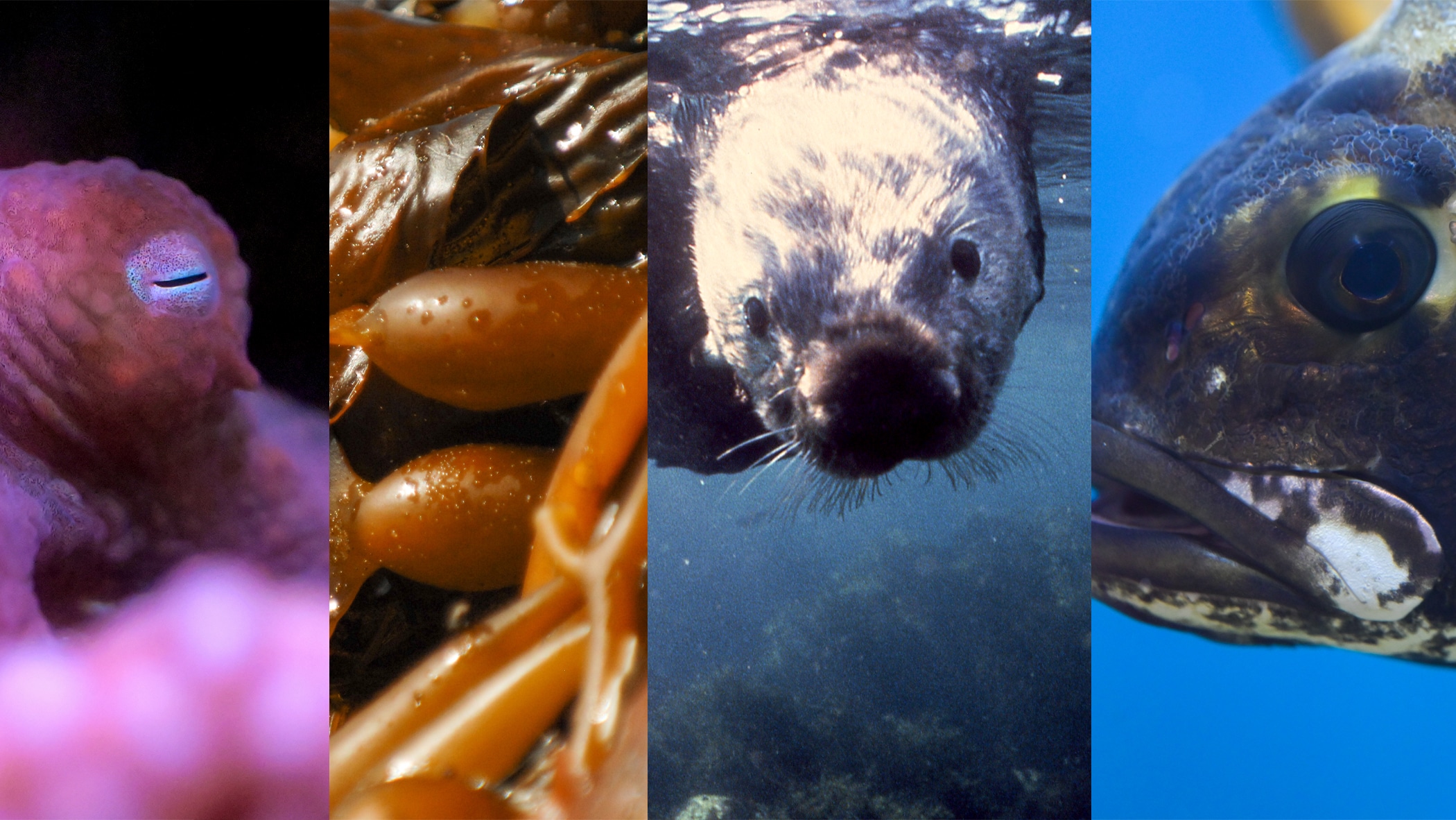
The Endangered Species Act (ESA) is a landmark U.S. law from 1973 that aims to protect and recover species at risk of extinction and conserve the ecosystems upon which they depend. Under the ESA, species may be formally designated as “endangered” or “threatened,” and once listed they are eligible for legal safeguards. This can include designating a “critical habitat”, geographic areas deemed essential for a species’ survival or recovery.
In recent months, however, there has been new legislation and regulatory proposals that threaten to weaken aspects of the ESA in ways that could affect marine life and areas that might operate like Marine Protected Areas (MPAs). In November 2025, regulatory changes were proposed that would significantly narrow how critical habitat is defined and designated giving more weight to economic and development interests.
Our Call to Action
In the spirit of Cabrillo Marine Aquarium’s mission, "to inspire exploration, respect, and conservation of Southern California marine life", we urge our community to stand up for the protections that safeguard our ocean’s most vulnerable species. The newly proposed changes to the Endangered Species Act risk weakening crucial habitat protections that many marine animals depend on for survival. At a time when our coasts face growing pressures from climate change, development, and shifting ecosystems, our collective voice matters more than ever.
We invite you to learn about these proposed regulations, stay informed through trusted conservation resources, and participate in the public process by sharing your concerns with decision-makers. Whether by submitting comments, engaging in community discussions, or supporting organizations committed to marine conservation, your actions can help ensure that future generations inherit a thriving, resilient ocean. Together, we can honor our mission and protect the marine life that inspires us all.
Each of these proposals includes an opportunity for public comment. Please contact your representatives regarding these matters or submit your feedback to the U.S. Fish and Wildlife Service to ensure your voice is considered in the proposed changes.
What is changing in the proposal?
-
Listing, Delisting & Critical Habitat Determinations (50 C.F.R. Part 424)
This rule would revert to the 2019 regulatory text governing how species get listed (as endangered or threatened), how they may be delisted, and how “critical habitat” is designated. The rule would also allow the Services to consider economic impacts when making listing or habitat-designation decisions - something the 2024 rule largely prohibited.
-
Interagency Cooperation / Consultation Framework (50 C.F.R. Part 402)
The proposed rule seeks to restore the 2019 regulatory framework for how federal agencies must consult with FWS/NMFS when their actions could affect listed species or their habitats. Overall, this narrows the scope of review for federal actions and potentially reduces how broadly ESA protections apply when agencies undertake projects.
-
Threatened Species Protections - Section 4(d) “Take” Rules
The proposal would eliminate the “blanket rule” that automatically applies the same protections to all threatened species as those for endangered species. This means that new or currently threatened species may receive less automatic protection, depending on how the tailored rules are shaped.
-
Critical Habitat Exclusions (50 C.F.R. Part 17; Section 4(b)(2))
The rule would reinstate a 2020-era framework for excluding certain areas from critical habitat designation - especially where economic, national security, or other relevant impacts justify exclusion. This change aims to give more flexibility to landowners, infrastructure and energy developers by making it easier to exempt lands from protections, provided the Services judge that exclusion won’t lead to species extinction.
This shift could weaken protections for both currently threatened/endangered species and species that may become endangered in the future, by making habitat protections harder to establish, enabling economic and development interests to weigh more heavily in decisions, and reducing the automatic protections for threatened species.
|
Sample Email Script I am [your name] and I live in your district in [state]. I am writing to express my strong support for the Endangered Species Act (ESA) and urge you to oppose any attempts to weaken and dismantle it. The ESA is important to me because I love [list a species/multiple species or a reason you care about the ESA]. These incredible animals [list some of the unique/cool things about them]. The ESA, with bipartisan support for 50 years, helps protect [species] through conservation efforts and research. Protecting the ESA helps protect iconic American species and our shared natural heritage. Again, I urge you to oppose any attempts to weaken or dismantle the ESA. Thank you. Sincerely, [Your name] |
Sample Phone Script I am [your name] and I live in your district in [state]. I am calling to express my strong support for the Endangered Species Act (ESA) and urge you to oppose any attempts to weaken and dismantle it. The ESA is important to me because I love [list a species/multiple species or a reason you care about the ESA]. These incredible animals [list some of the unique/cool things about them]. The ESA, with bipartisan support for 50 years, helps protect [species] through conservation efforts and research. Protecting the ESA helps protect iconic American species and our shared natural heritage. Again, I urge you to oppose any attempts to weaken or dismantle the ESA. Thank you.
|